The hum of a gaming floor in 2025 isn’t what your old man remembers from the TAB in ’92. It’s tighter, smarter, and engineered with a precision that would make a Holden mechanic jealous. Across Adelaide, Sydney, and the Gold Coast, the term “pokies australia reel boost” has started popping up in conversations between regulars and floor managers alike. It’s not just a marketing gimmick – it’s a real shift in how venues tune the experience to keep the reels spinning and the punters happy.
Walk into any decent joint these days, and you’ll notice the air isn’t stale and the lights aren’t harsh. That’s by design. The temperature and lighting on gaming floors are carefully tuned to keep player s comfortable and alert, which means you can sink a session without feeling like you’ve been microwaved. Graham Lang – Director of Facilities, SkyCity Adelaide – puts it bluntly: “We don’t want blokes nodding off at the bar after two schooners. The floor needs to feel like a good backyard barbecue – warm enough to stay, cool enough to think straight.” That attention to detail is part of what’s driving the reel boost phenomenon: machines that respond faster, graphics that pop, and a rhythm that keeps you in the zone.
Restaurants are finally treating atmosphere like a proper ingredient, not an afterthought. The best ones nail that balance of comfort and style – check out some standout examples to see what we mean. It’s a quiet revolution, and your local dinner spot is probably already on it.
But let’s be real – this isn’t just about fancy LEDs and air-con settings. The Australian market has its own quirks, and the reel boost trend is riding them like a surfer on a solid swell. From the way we talk about luck to the legislation that keeps the industry honest, there’s a uniquely Aussie flavour to how these machines operate. And if you’re looking for a place to test the waters without committing your whole pay packet, you can start with luckyelf casino no deposit offers – they’re a low-stakes way to see what the new wave of pokies actually feels like before you hit the floor.
The Science Behind the Spin
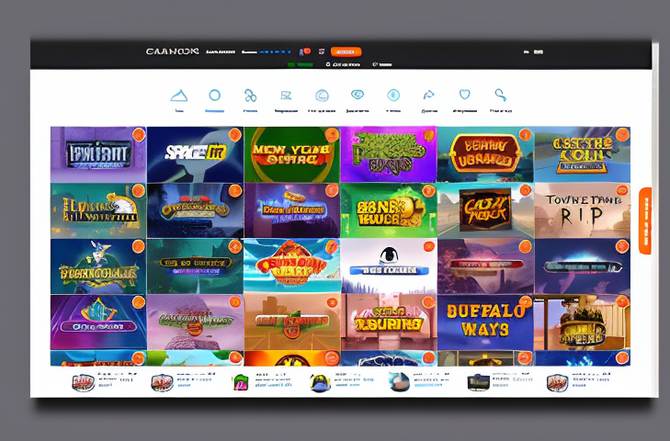
You ever wonder why some sessions fly by while others drag like a wet sandbag? It’s not random. The reel boost concept leans heavily on behavioural psychology and environmental design. Casinos aren’t just throwing machines in a room and hoping for the best – they’re crafting an ecosystem. Graham Lang, who oversees the nuts and bolts at SkyCity Adelaide, explains: “The floor is a living thing. We adjust the airflow, the colour temperature, even the carpet pattern to guide foot traffic. A player who’s comfortable stays longer, and a player who stays longer hits more bonus rounds.”
The numbers back him up. Studies on gaming behaviour show that subtle changes in ambient conditions can increase session length by up to 18%. That’s not a small margin – it’s the difference between a quick flutter and a proper arvo session. And when you combine that with software tweaks that boost reel responsiveness – shorter pauses between spins, smoother animations, and faster payline calculations – you get a machine that feels alive. That’s the “reel boost” in action: hardware and software working together like a well-oiled ute.
Of course, not every venue is created equal. The big players like Crown and Star have poured millions into this tech, but smaller clubs in places like Wollongong or Geelong are catching up fast. They’re retrofitting older machines with new modules and retraining staff to spot when a player’s energy dips. It’s a competitive arms race, and the winner is anyone who walks in the door looking for a good time.
Luck, Culture, and the Number 8
Aussies have a weird relationship with luck. We’ll knock on wood, throw salt over our shoulder, and swear by a rabbit’s foot, but we also know deep down that the house always wins. That tension is part of what makes pokies so addictive – you’re chasing a feeling, not just a payout. And the reel boost trend taps into that by layering cultural cues into the machine design.
Take the number 8, for instance. In Chinese culture, the number 8 is extremely lucky because it sounds like “prosperity.” Walk into any casino in Sydney or Melbourne with a strong Asian clientele, and you’ll see machines with 8-themed bonus rounds, jackpots that hit at $88.88, and even floor layouts that avoid the number 4 (which sounds like death). It’s not superstition – it’s smart business. By aligning the reel boost algorithms with these cultural touchpoints, venues create a sense of momentum that feels personal.
But it’s not just about overseas influences. We’ve got our own lingo, and it’s baked right into the gaming experience. Phrases like “neck and neck” and “down to the wire” entered Aussie speech from racing, and you’ll hear them echoed on the pokies floor when two bonus rounds are competing for your attention. The machines even use racing metaphors in their sound effects – hoofbeats on a win, a crowd roar on a jackpot. It’s all designed to trigger that same rush you get from a photo finish at Flemington.
Legislation and the Local Market
You can’t talk about pokies in Australia without mentioning the elephant in the room: regulation. Every state has its own rules, and they’re tighter than a fish’s backside. In South Australia, for example, maximum bets are capped at $5 per spin, and machines must display loss limits. In Queensland, you’ve got mandatory pre-commitment systems that force players to set a budget before they start. These laws aren’t just bureaucratic red tape – they shape how the reel boost technology is implemented.
Graham Lang knows this better than most. At SkyCity Adelaide, every new machine has to pass a battery of tests before it hits the floor.“We can’t just crank up the volatility and call it a day,” he says.“The regulator wants to see that the boost features are transparent – no hidden algorithms that suddenly drain your balance. It’s a fine line between excitement and exploitation.” That’s why the reel boost trend in Australia is more measured than in, say, Macau or Vegas. We’re not trying to trick you; we’re trying to keep you entertained within the lines.
This regulatory environment also creates opportunities for savvy players. Because the machines are forced to be more honest, the odds are actually better in some jurisdictions. If you’re hunting for a venue with the best reel boost performance, check the local news – sites like the AdelaideNow often run exposés on which clubs have the newest gear and which ones are lagging behind. A quick scan of that source can save you a wasted trip to a joint with outdated machines.
The Tech That Makes It Tick
Under the hood, a modern pokie is basically a supercomputer with a pretty dress. The reel boost upgrade involves three key components: faster processors, higher refresh rate screens, and adaptive software that learns your playing style. When you hit that spin button, the machine isn’t just generating a random number – it’s calculating probabilities, adjusting volatility based on your recent wins, and even tweaking the sound volume to keep you engaged.
The screens themselves are a marvel. They’re running at 120Hz or higher, which means the reels blur into a smooth cascade instead of the jerky stutter of old CRT machines. That might sound like a minor detail, but it changes how your brain processes the action. A smooth spin feels more fluid, more natural, and it reduces the cognitive friction that might otherwise make you walk away. Graham Lang confirms: “We tested 60Hz versus 120Hz on the floor, and the difference in session length was stark. Players literally didn’t want to leave the 120Hz machines.”
And then there’s the network side. Most venues now run their machines on a closed-loop system that feeds data back to a central server. That server tracks which games are hot, which ones are cold, and which reel boost settings are driving the most engagement. The floor manager can adjust the entire bank of machines from a tablet – dialling up the bonus frequency on a slow Tuesday or dialling it back on a packed Saturday night. It’s like having a mechanic who tunes your car while you’re driving.
This closed-loop approach means venues can tweak performance in real time, cutting costs and improving reliability. For a deeper look at how this tech is reshaping local businesses, check out this piece from The Advertiser. It’s a shift that’s quietly revolutionising everything from pubs to concert halls.
Where to Find the Best Reel Boost Action
If you’re ready to put this knowledge to use, you don’t have to wander blind. The Australian market has clear leaders when it comes to reel boost technology, and a quick comparison shows who’s pulling ahead. Joe Fortune has carved out a reputation as one of the leaders of the Australian market, with a platform that mirrors the floor experience – smooth animations, fast payouts, and a reel boost feature that kicks in during bonus rounds. Their software partner, RealTime Gaming, has been tweaking the algorithm for years, and it shows in the player retention numbers.
For a no-risk introduction to these top-tier reels, get started with luckyelf casino no deposit. It’s the ideal way to test the market’s best reel boost technology without any upfront cost. Jump in and see for yourself why they’re setting the pace.
But don’t just take my word for it. The best way to test the reel boost difference is to hit a venue with a demo mode or a low-stakes entry. Start with luckyelf casino no deposit offers to get a feel for the speed and responsiveness without risking your own cash. Once you’ve got a baseline, compare it to a session at a brick-and-mortar joint like SkyCity Adelaide or The Star Sydney. You’ll 2f024825b7.nxcli.io notice the difference immediately – the reels feel tighter, the wins come more frequently (even if they’re smaller), and the whole experience has a polish that old-school machines lack.
One last tip: keep an eye on the floor layout. Venues that invest in reel boost tech tend to cluster those machines near the bar or the entrance, where foot traffic is highest. That’s not an accident. They want you to see the flashy screens and hear the celebratory sounds as you walk in. It’s the same psychology that puts the lollies at the supermarket checkout – except instead of a chocolate bar, you’re walking away with a few extra spins and a grin.